

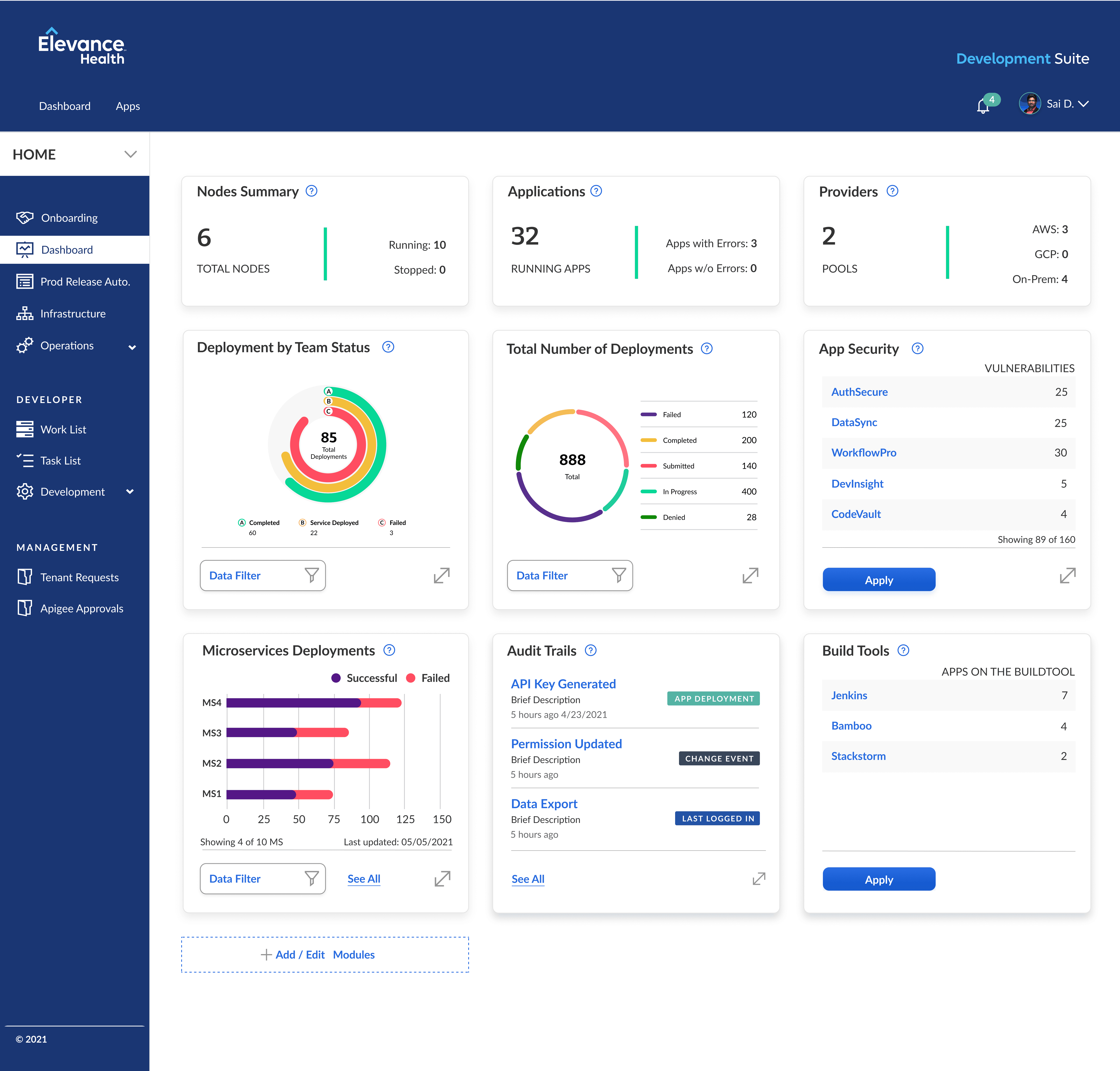
The Development Suite is the backbone of Elevance Health’s internal app ecosystem. Before the redesign, developers juggled multiple disconnected tools, creating inefficiencies, errors, and slower release cycles. Rising project volumes and complex applications exposed friction across teams, limiting productivity and slowing innovation.
The redesign aimed to unify core tools into a single, intuitive platform, automate repetitive tasks, and streamline workflows. By improving usability and supporting scalable development, the platform empowers developers to work faster, reduce errors, and focus on building high-impact healthcare applications.
Developers at Elevance Health struggled to build, integrate, and maintain applications because the Development Suite required switching between disconnected tools and managing complex, manual workflows like environment setup, cloud configuration, and data access.
Different developer personas, from backend engineers to AI/ML and low-code users, needed varying levels of control, yet the existing platform often left teams blocked, overwhelmed, or unsure how to scale their work reliably.
I was brought in to reimagine the suite as a centralized, developer-focused platform. The challenge was to consolidate core tools, automate repetitive tasks, simplify integrations, and design an intuitive, scalable experience that aligned with technical constraints and supported faster, more confident development across diverse teams.
Approach & Rationale
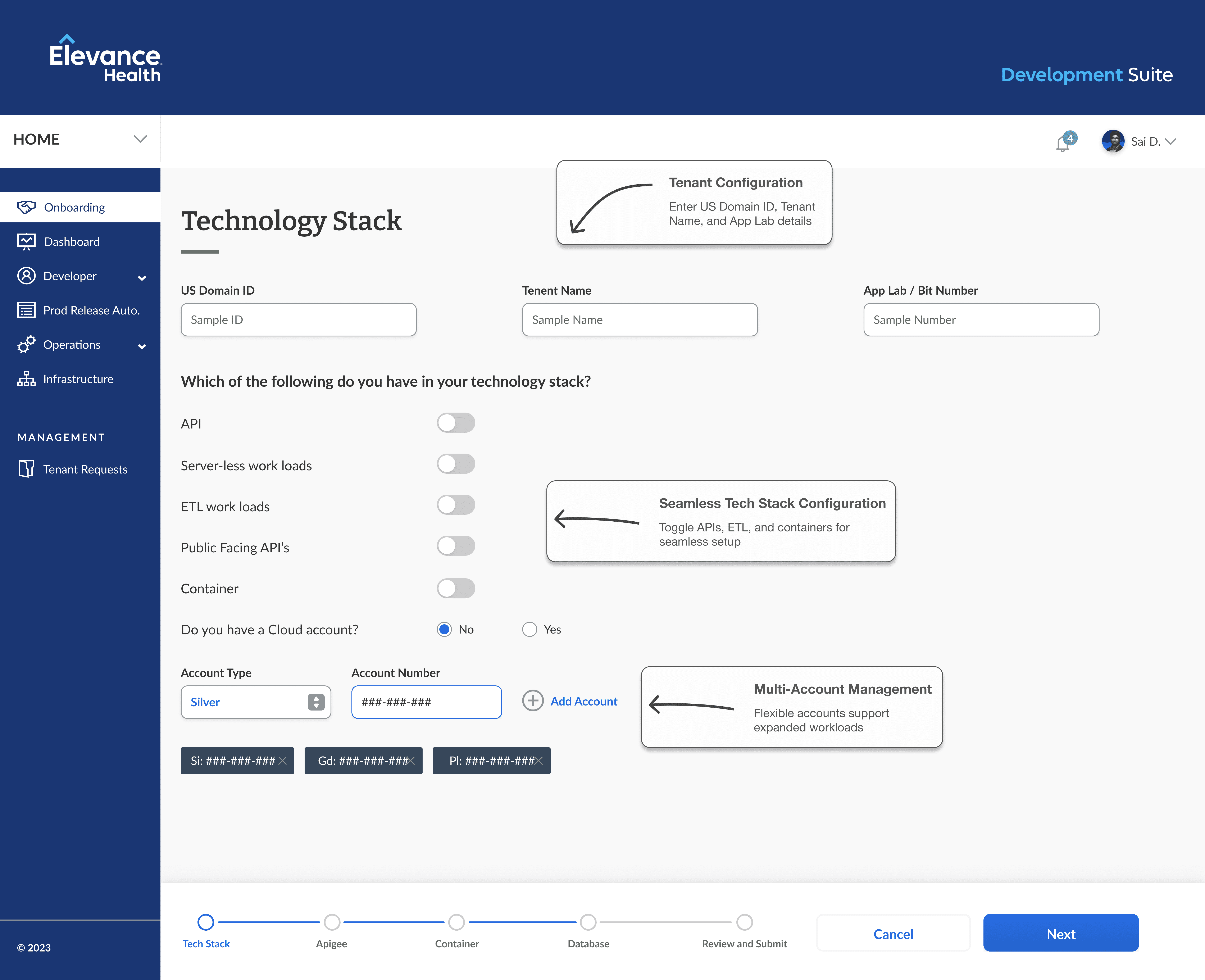
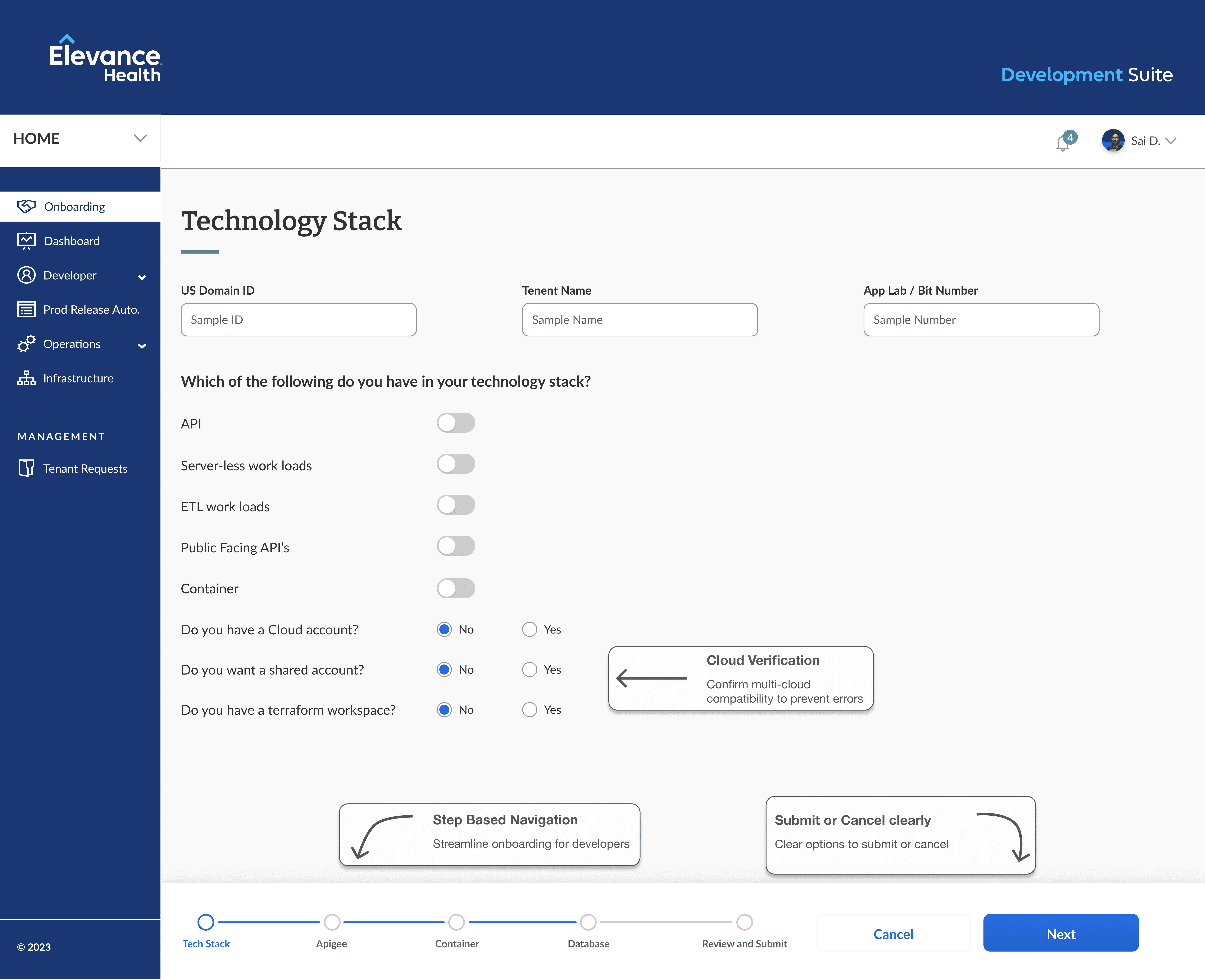
I redesigned the Development Suite to prioritize efficiency, scalability, and flexibility for developers. Workflow mapping and internal discovery uncovered fragmented tools, redundant steps, and integration gaps. The design focused on consolidating core tools into a single, intuitive interface that reduced friction and supported faster, more reliable development.
Key decisions balanced technical depth with usability, giving experienced developers control while keeping workflows accessible for low-code and AI/ML users. Limited direct user research meant relying on internal feedback, iterative prototyping, and close collaboration with product and engineering teams. This approach ensured the platform delivered immediate value while scaling to support future growth.
Execution
I led the Development Suite redesign through a structured, iterative process focused on efficiency, scalability, and usability. Internal discovery sessions and stakeholder interviews surfaced workflow redundancies, integration gaps, and technical constraints, which I mapped to pinpoint friction points and opportunities for improvement.
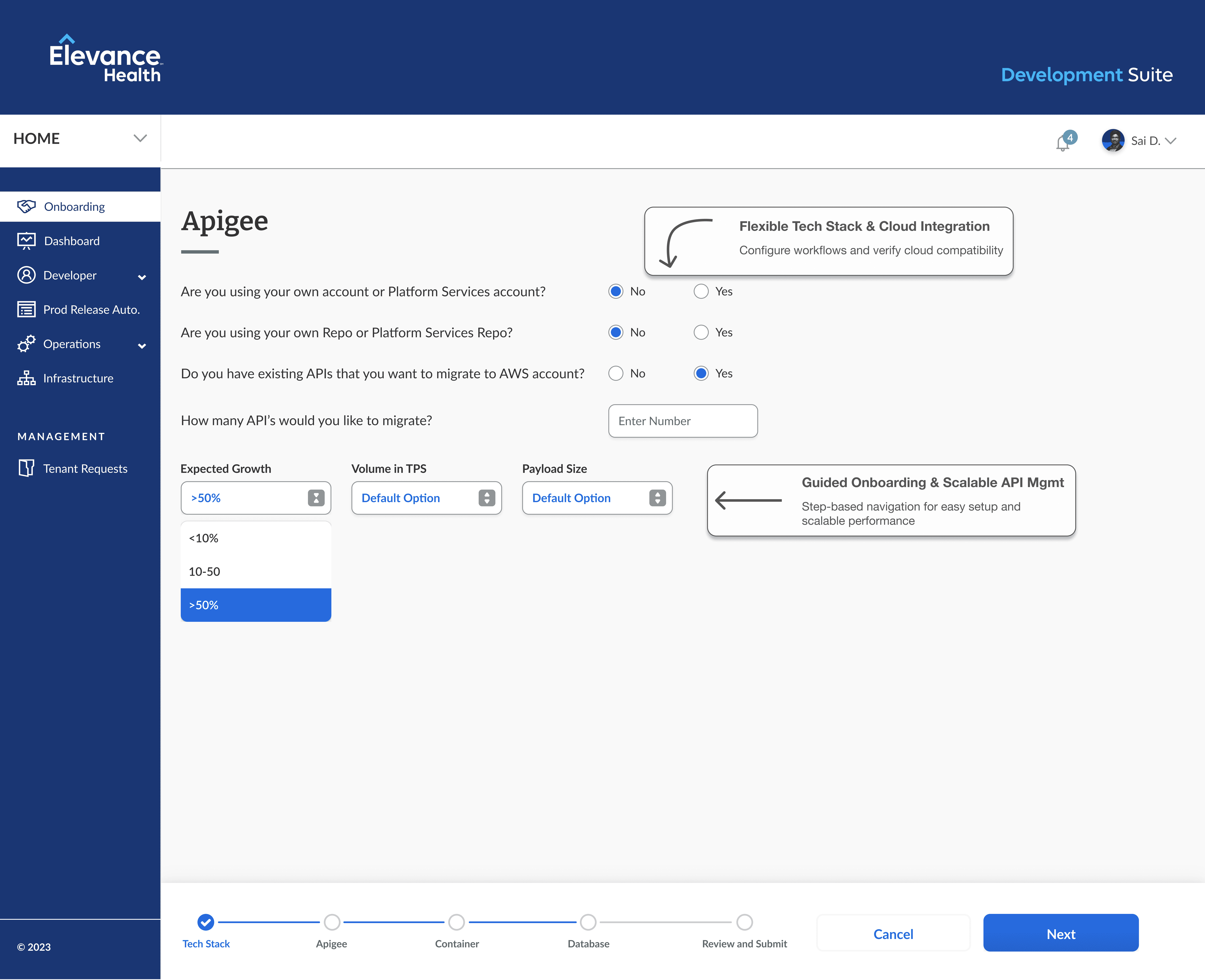
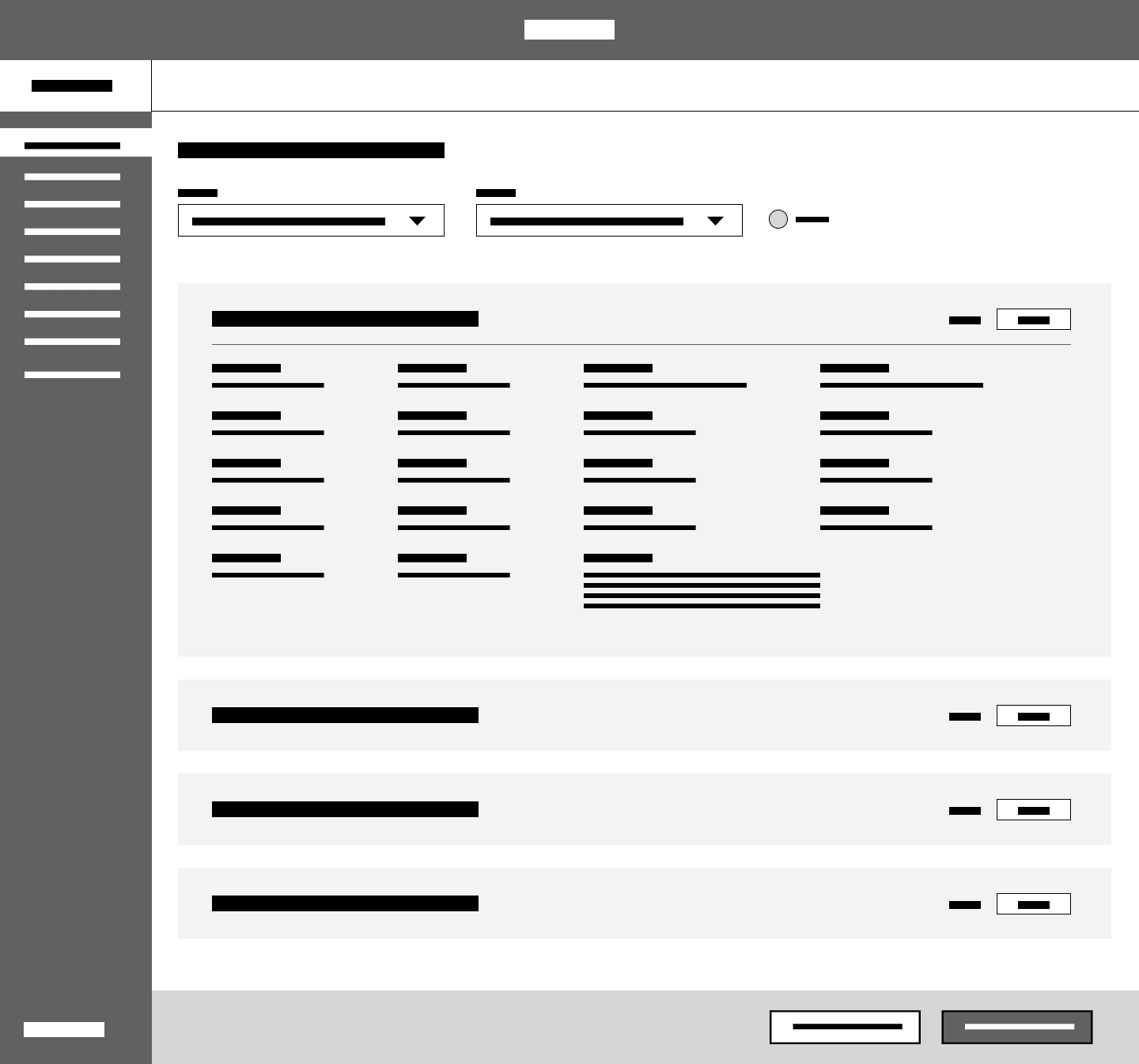
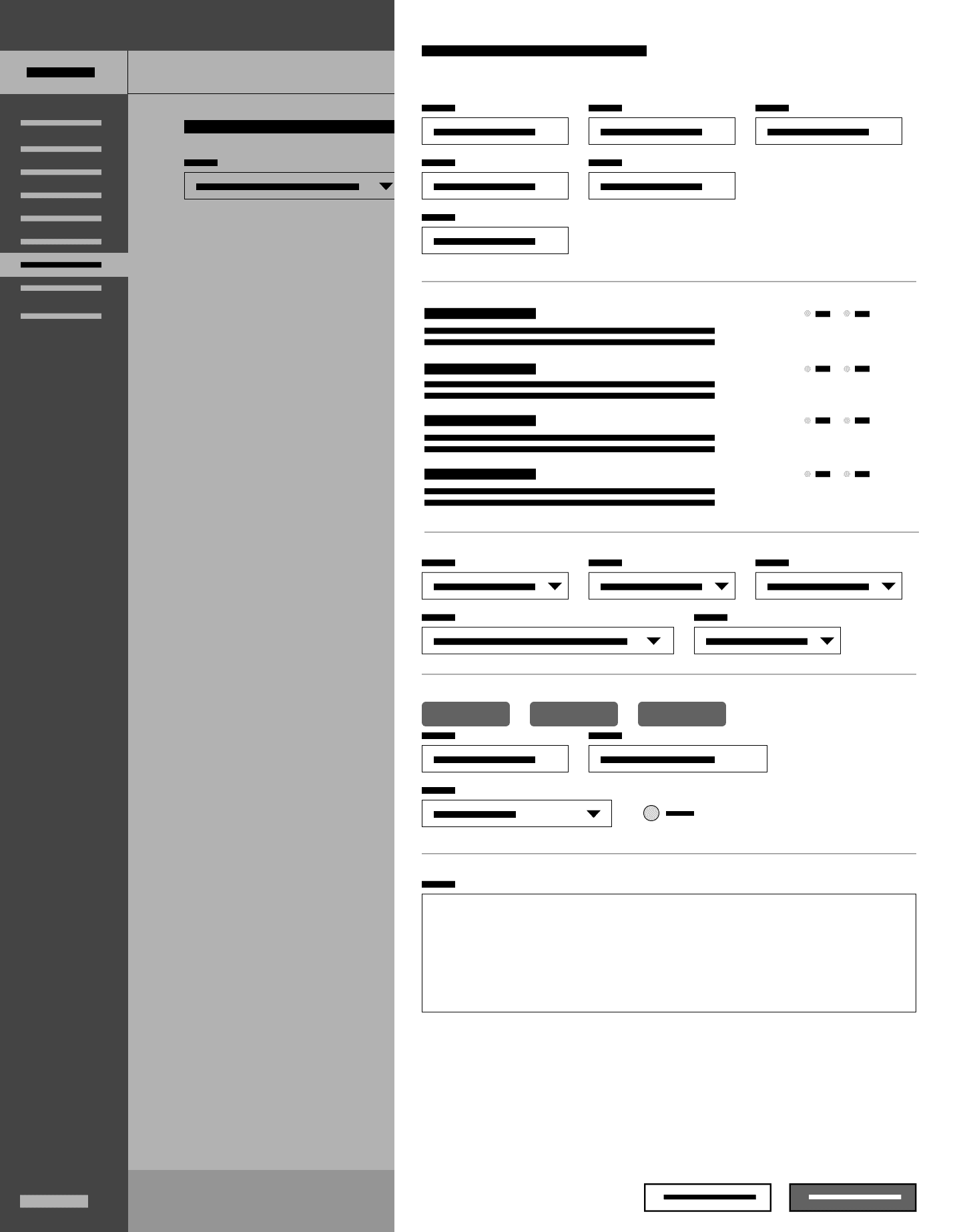
Insights were translated into wireframes and interactive prototypes, testing navigation patterns, tool consolidation, and workflow automation. Regular design reviews and collaborative working sessions with engineering, product, and operations teams ensured solutions were technically feasible and aligned with business priorities.
Feedback loops and internal usability testing guided iteration, while frequent demos kept teams aligned and surfaced risks early. This approach delivered a unified, scalable platform that reduced friction, streamlined developer workflows, and set a foundation for long-term growth.
Outcomes
Internal validation revealed friction, uncertainty, and gaps in guidance across core Development Suite workflows. Addressing these issues helped the team move from fragmented, assumption-driven processes to a confident, aligned approach.

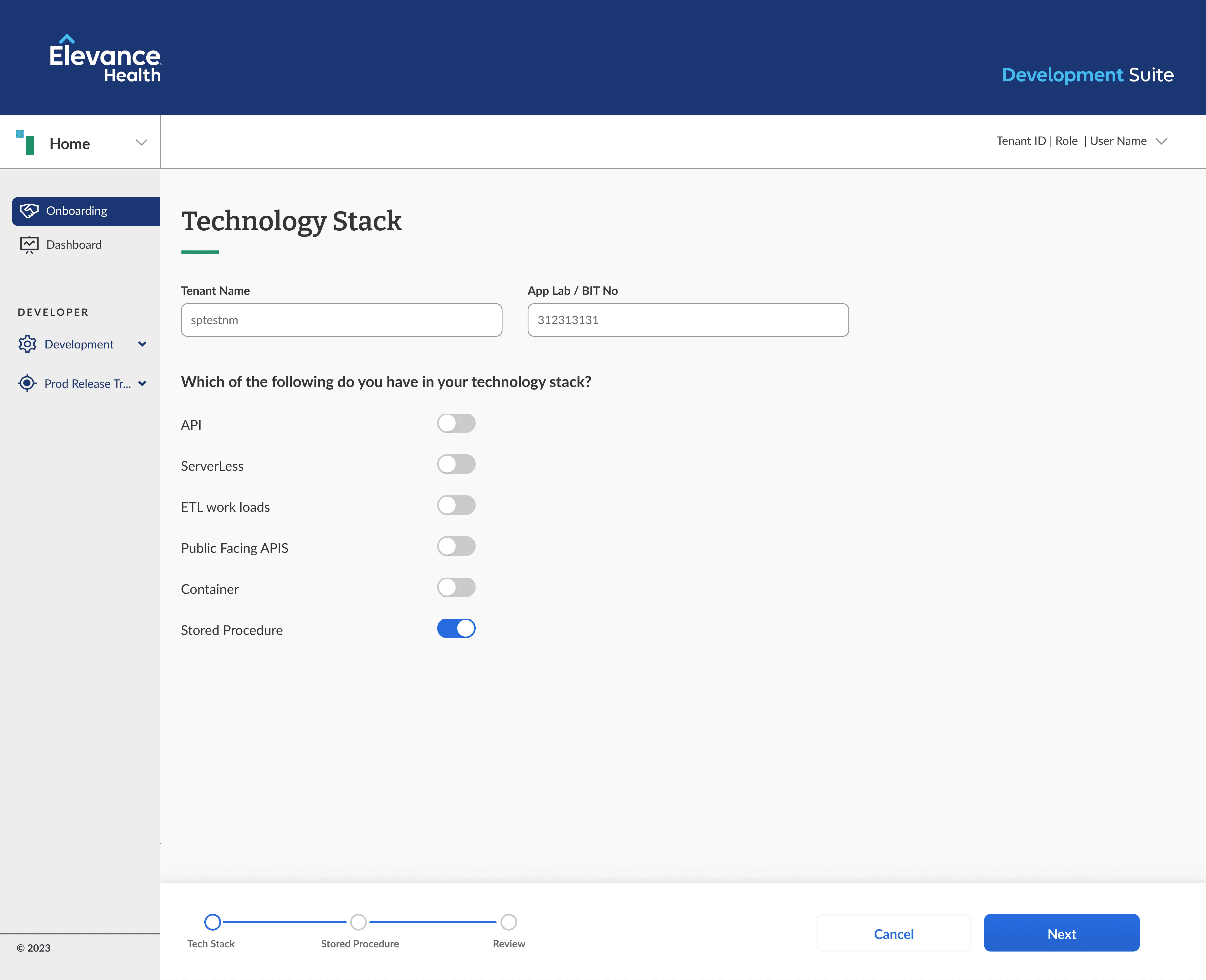
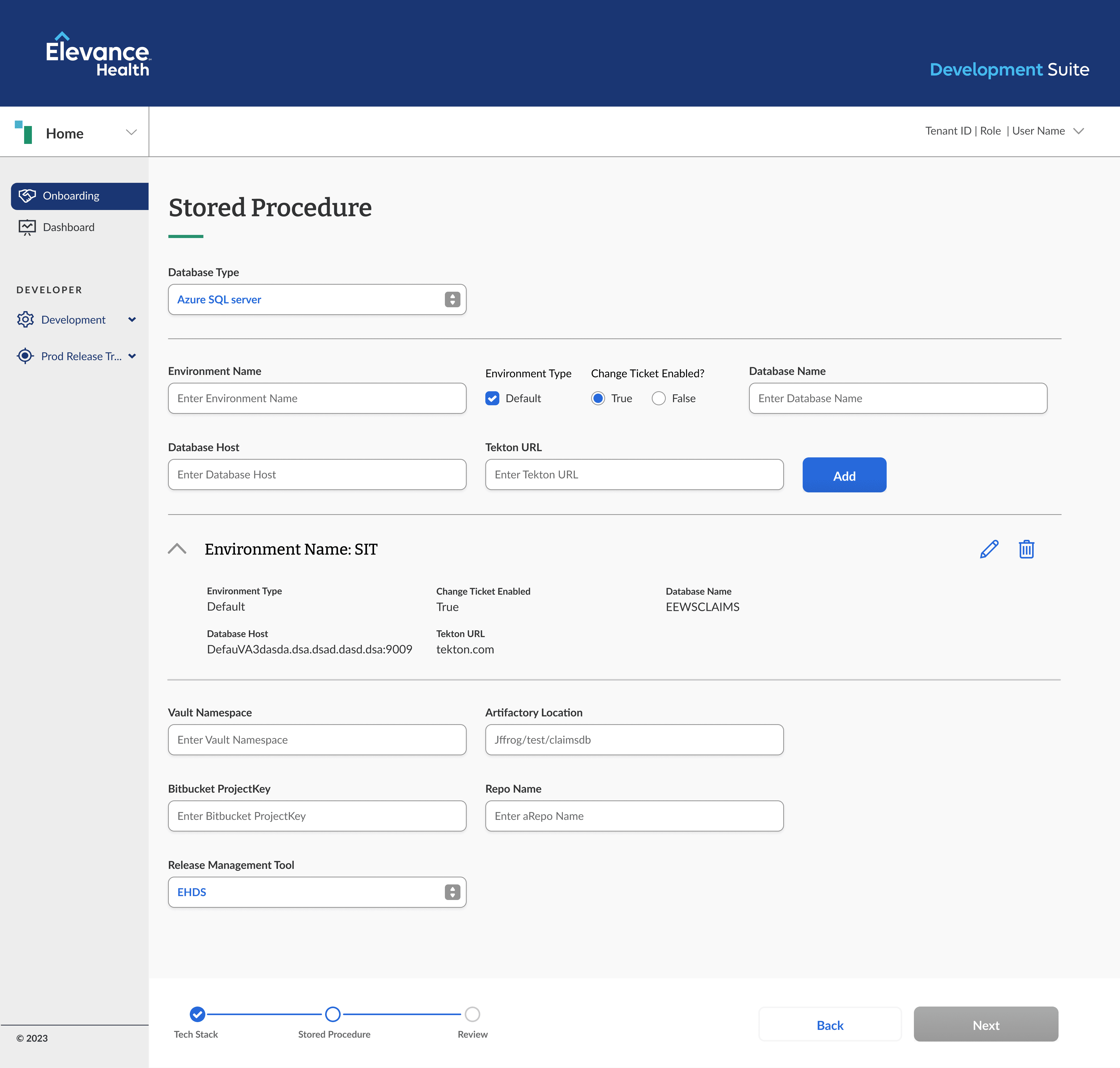
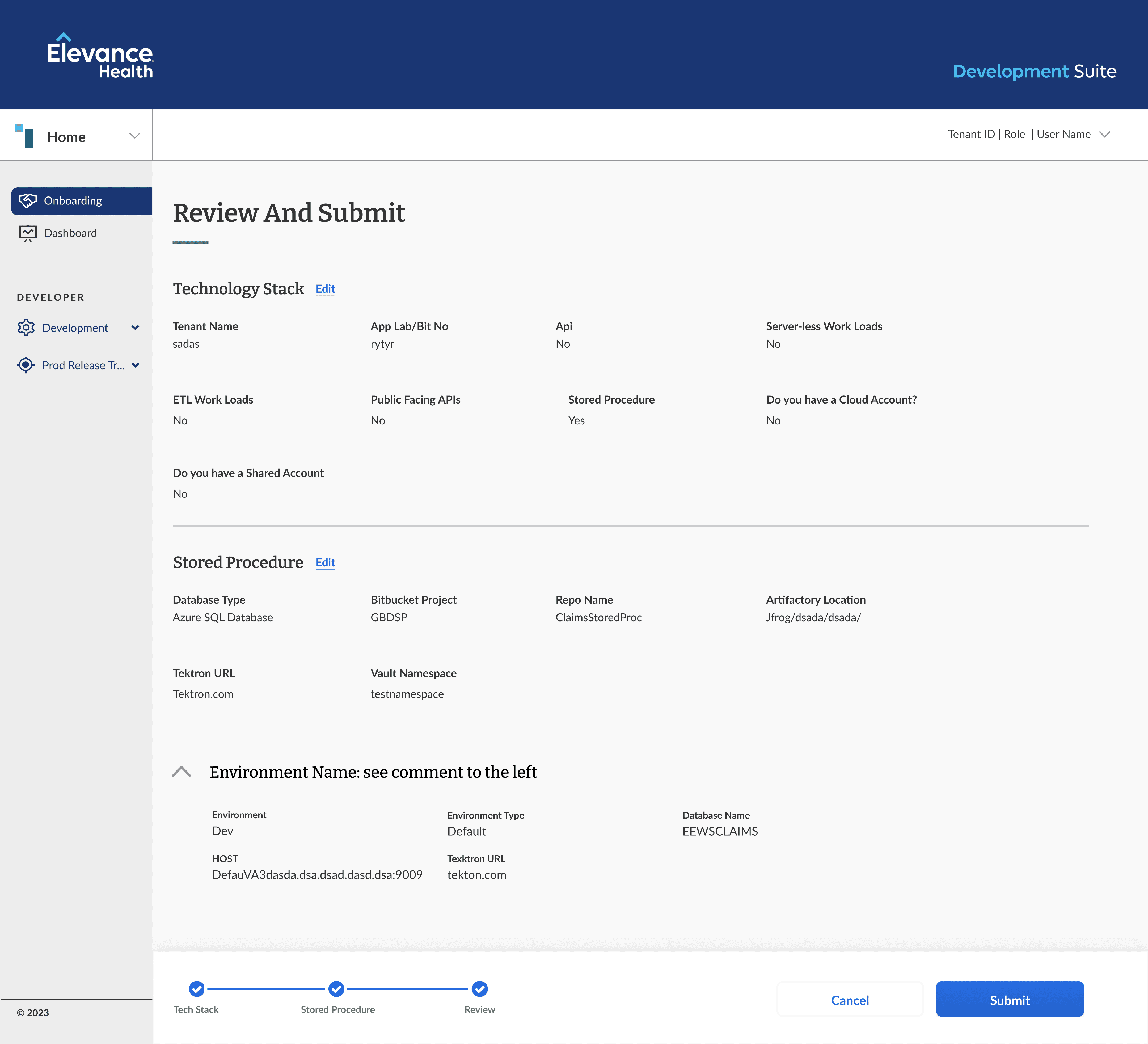
Step-based workflows reduced ambiguity in setup, configuration, and deployment, making complex processes easier to navigate. Reusable templates and consistent patterns simplified repeatable tasks and supported scaling across teams.
Standardized flows improved collaboration between design, engineering, and support, creating a shared source of truth for the platform.
Approach
I approached the Development Suite redesign with a focus on developer efficiency, scalability, and flexibility. Internal discovery sessions and workflow mapping revealed fragmentation, integration gaps, and redundant steps, which informed a design centered on consolidating core tools into a single, intuitive interface.
Rationale
Learning
Redesigning the Development Suite reinforced that solving complex workflows requires cross-team collaboration, not just interface improvements. Centralizing tools and automating repetitive tasks improved efficiency, reduced errors, and increased developer confidence. Designing for scale from the start ensured the platform could support diverse roles and growing project volumes. Iterative feedback loops with engineering and operations were critical for validating decisions and building a system that teams could rely on day to day.
Project Info
Expertise
Visual & Interaction Design: Craft intuitive, accessible, and polished interfaces.
Prototyping & UX Strategy: Rapid iteration grounded in research and user insights.
Design Systems & Collaboration: Build scalable systems while aligning product and engineering teams.
UX Strategy: Define product vision and user flows through research-driven insights, aligning design decisions with business goals and user outcomes.